


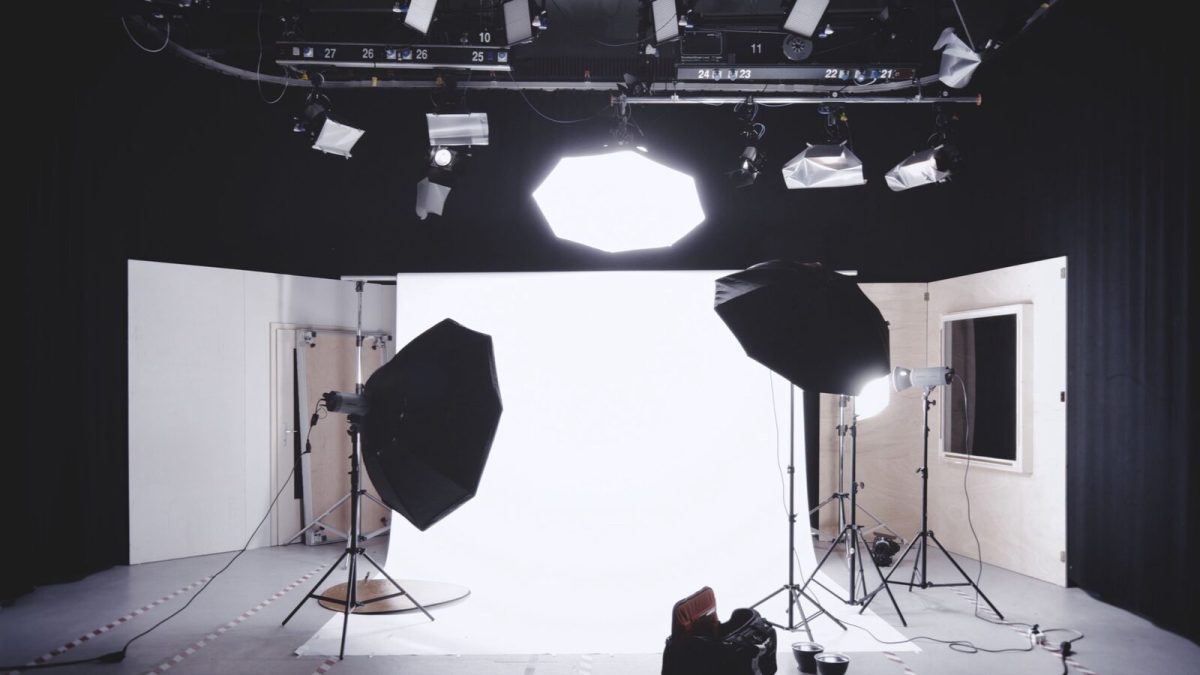
A cover looks like a single decision. It is closer to two hundred, most of them made in the first hour and quietly reversed in the fourth.
Eleven hours for one frame
And the frame was not from the setup we planned.
Setup one: the one we planned
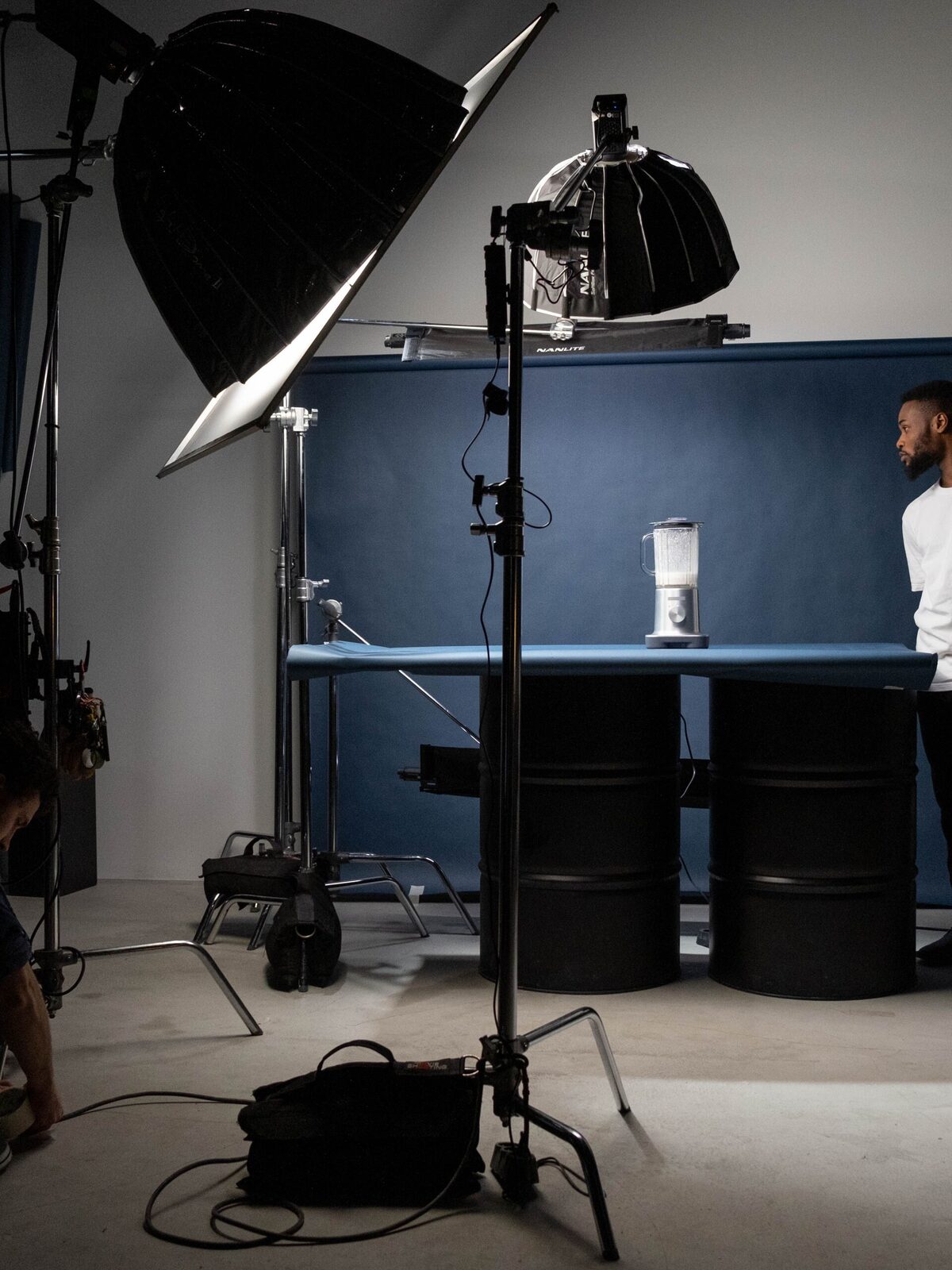
We arrived with a lighting diagram, which is a polite way of saying we arrived with an opinion. One key, one fill, a rim to lift the shoulder off the background. It photographed exactly as drawn, and it was completely lifeless.
The problem was not the light. It was that the diagram had been drawn for a different person, in a different room, six days earlier.
Bring the plan. Then be willing to lose the plan in the first ten minutes.
What we changed
- Killed the rim light. It was separating the subject from a background nobody was looking at.
- Moved the key closer. Softer falloff, and suddenly the eyes had something to do.
- Dropped the camera by twenty centimetres. The single biggest change of the day.
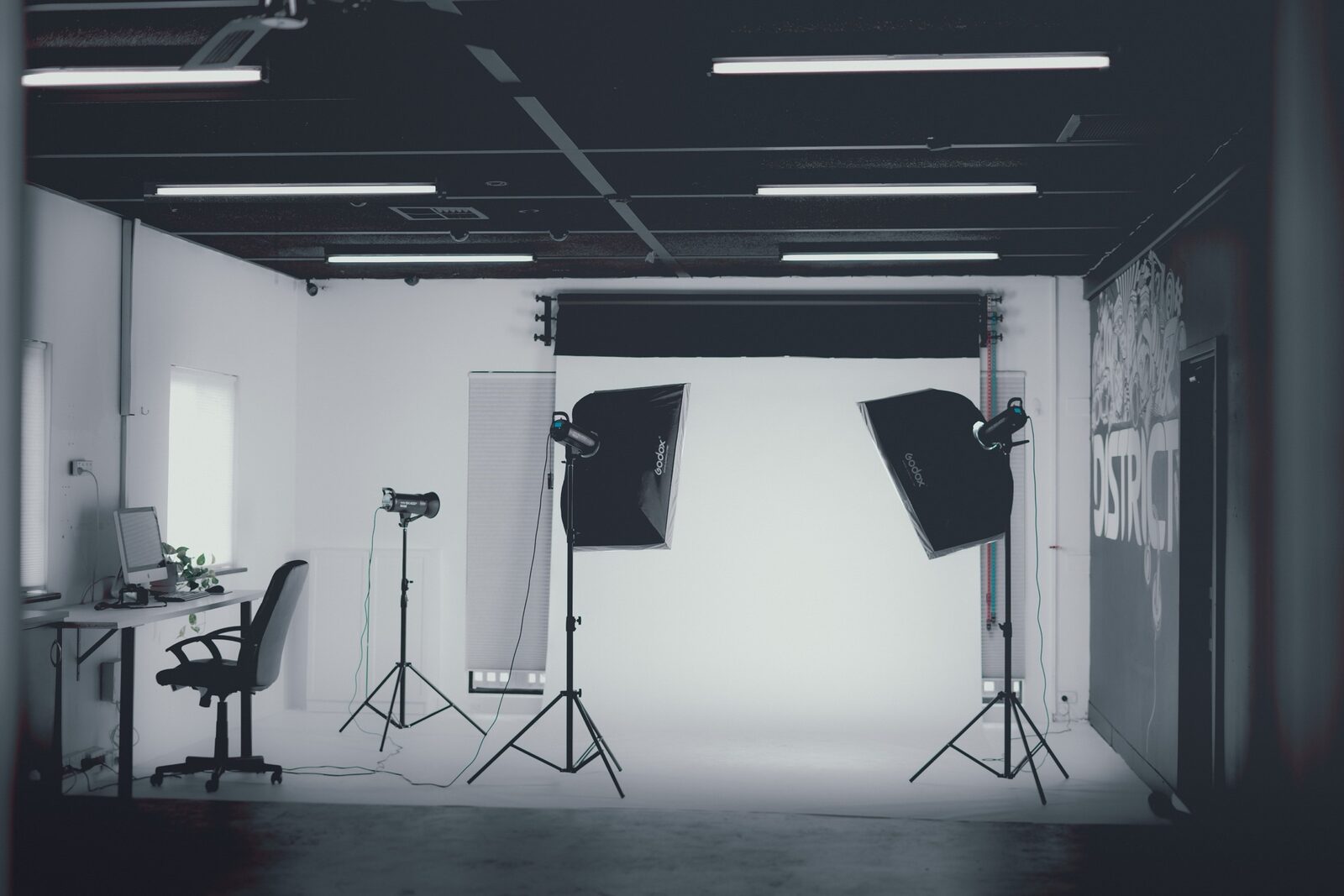
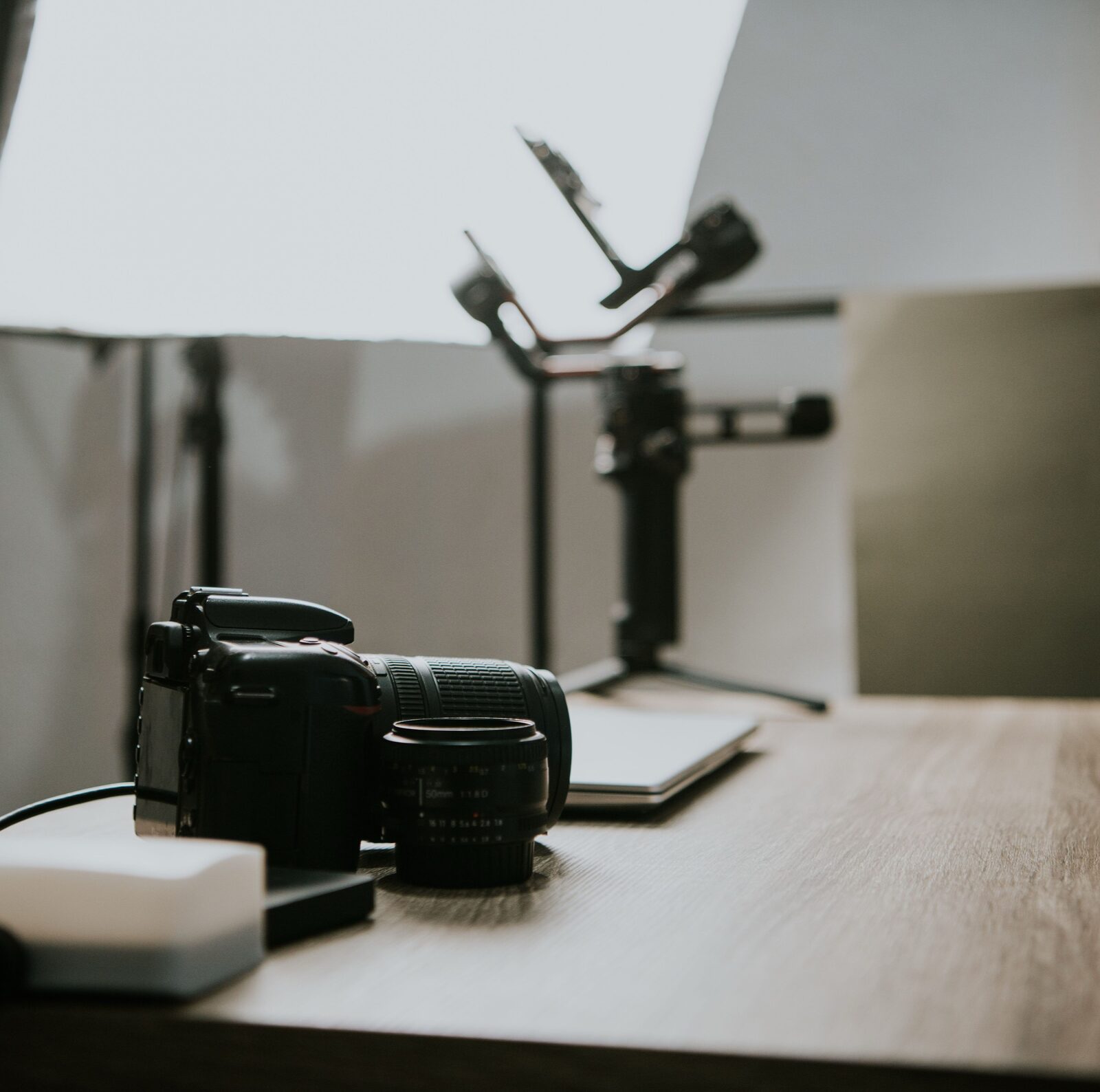
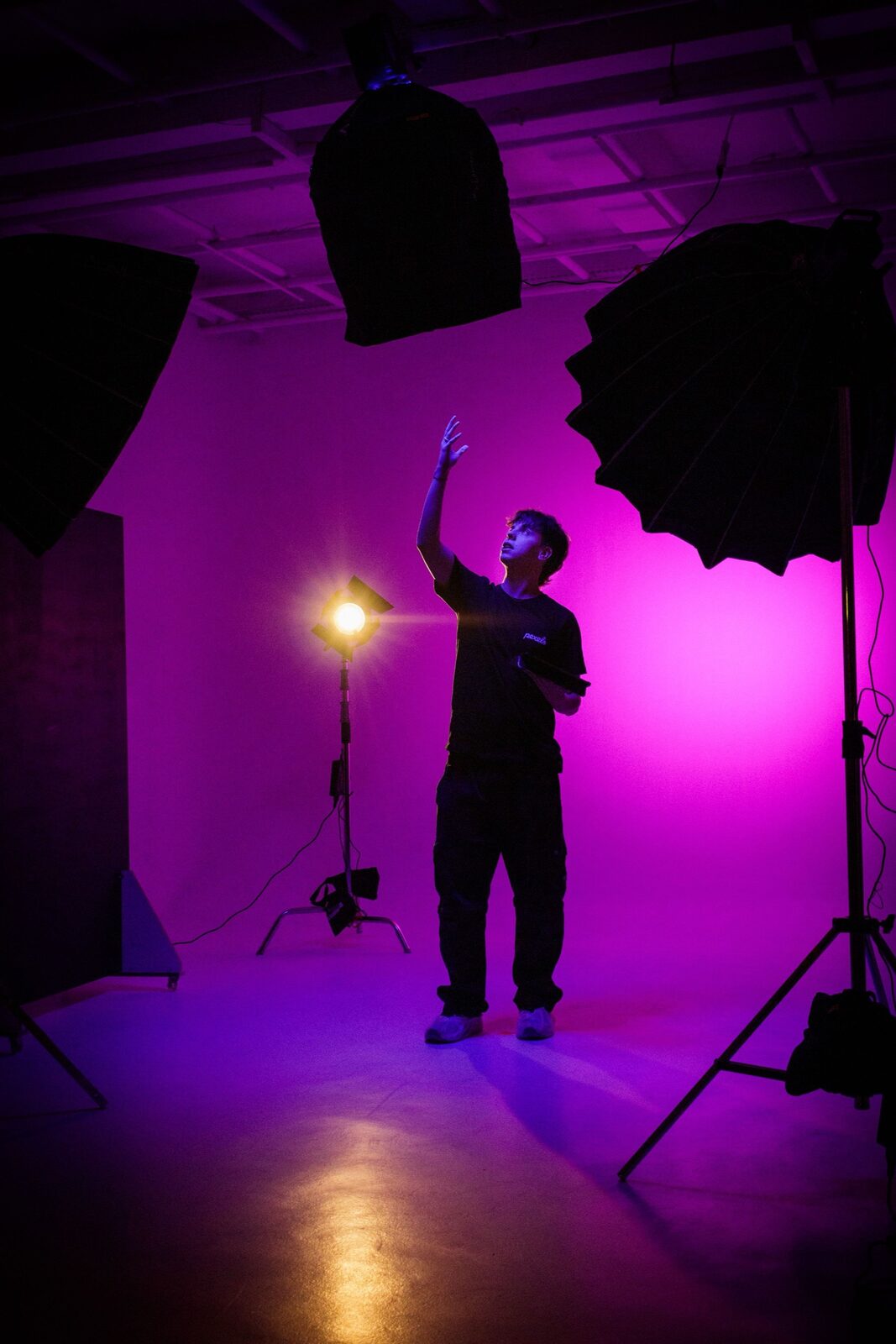
The frame that ran
Shot at the end of setup three, while the team was already breaking down the stand behind the camera. Nobody was posing, which is the whole reason it worked.
Every good cover we have run was taken in the ten minutes after everyone decided they were finished.
The numbers
| Planned | Actual | |
|---|---|---|
| Setups | 2 | 4 |
| Frames | ~400 | 1,180 |
| Hours on set | 6 | 11 |
| Frames used | 1 | 1 |
More from this series
Was the diagram a waste of time?
No. Having something to abandon is faster than having nothing to start from. The diagram got the stands in roughly the right places in fifteen minutes, and the rest of the day was spent moving them.
Eleven hours for one frame sounds mad until you have done it.
The bit about the camera height is so true and so rarely said out loud.