



For a decade the mechanical keyboard was a niche within a niche: a thing you explained at parties and then stopped explaining. Then the offices emptied, desks moved home, and the thing people typed on all day stopped being whatever the company handed out.
The change that made it mainstream was not a new layout or a new material. It was the switch getting quieter.
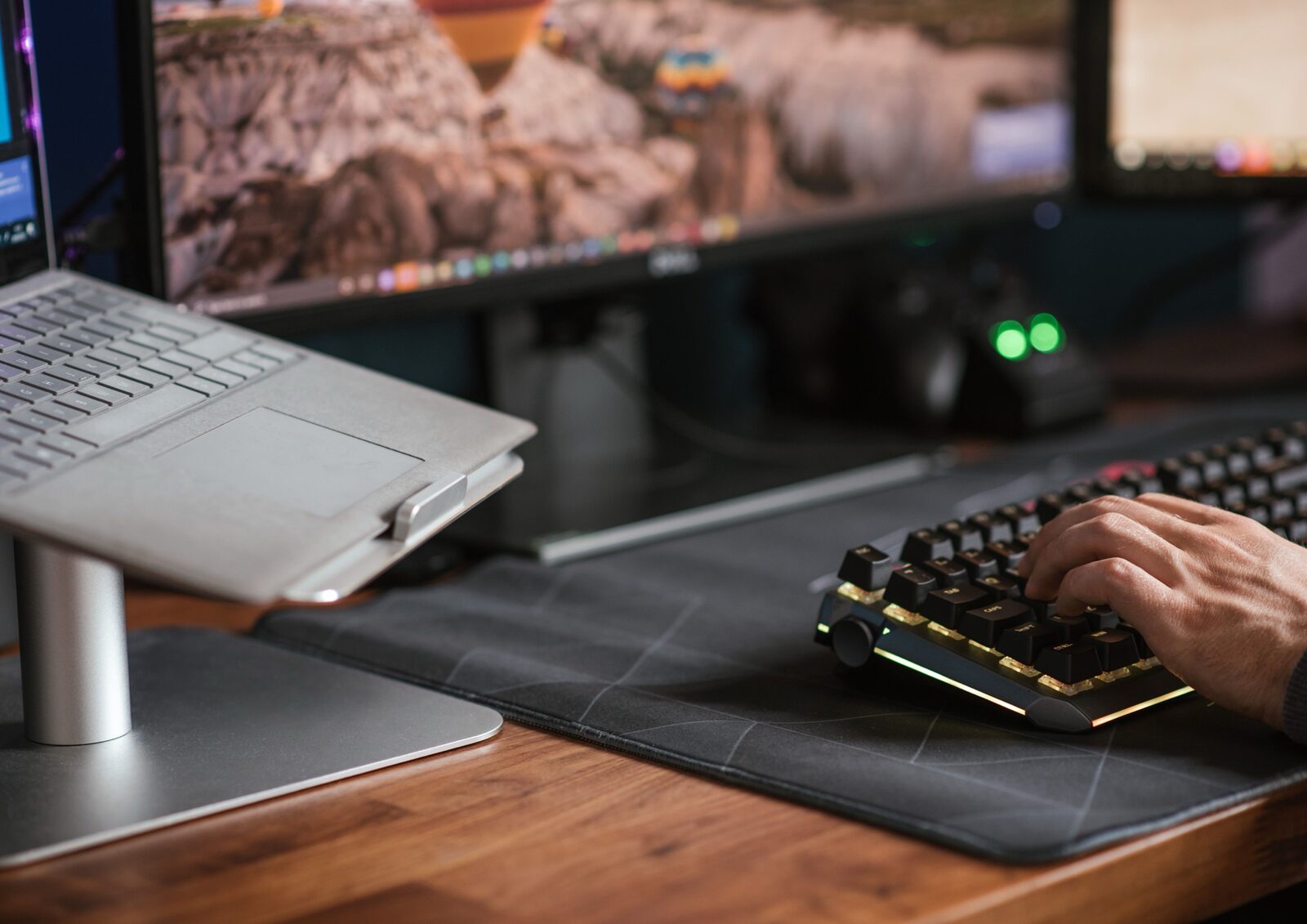
What actually changed
Three things happened at once, and each of them was small.
- Linear switches got smoother. Factory lubrication moved from an enthusiast ritual to something done on the line.
- Cases got heavier. Mass kills resonance, and resonance is most of what people mean by “cheap sounding”.
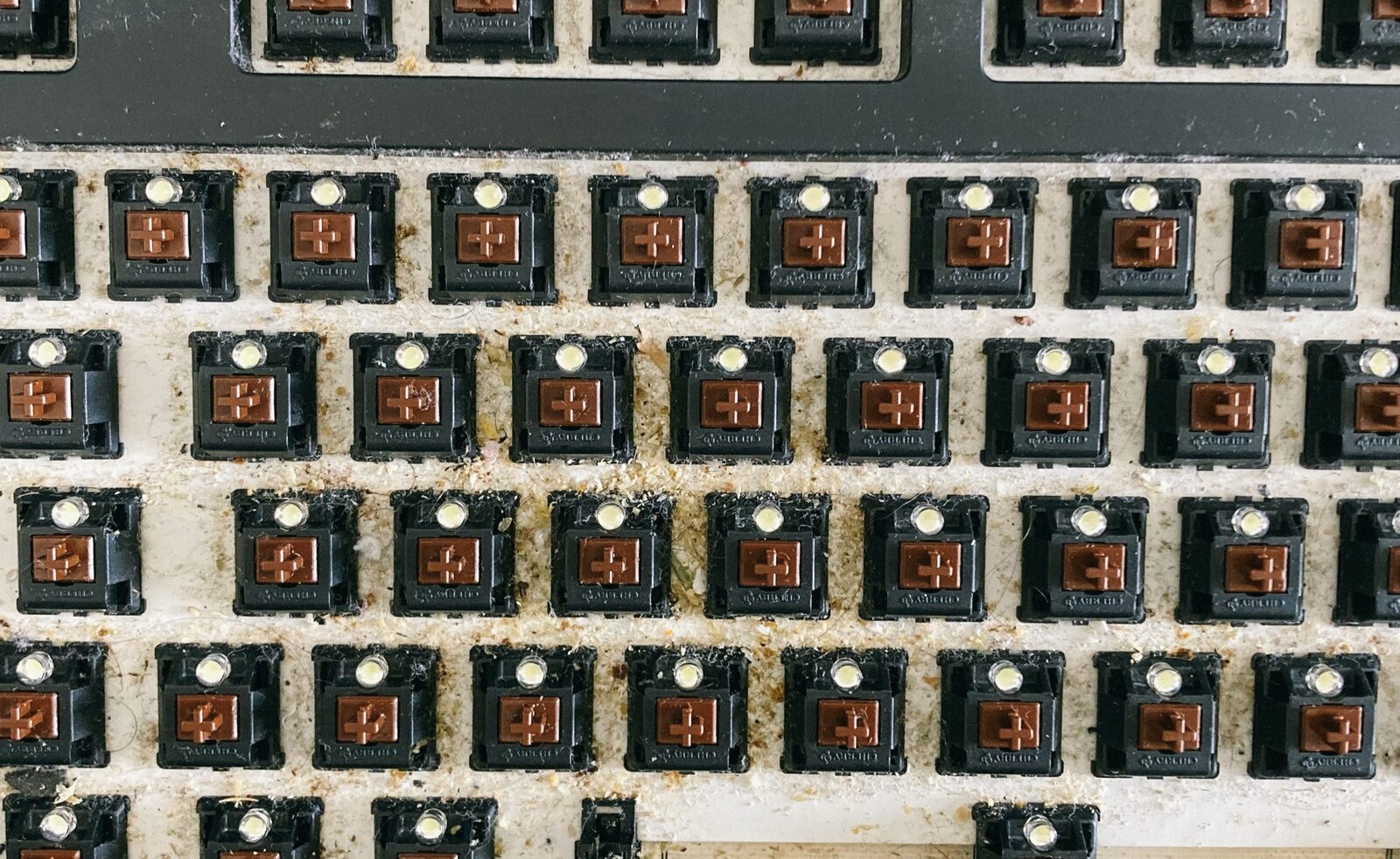
- Hot-swap sockets arrived. Changing your mind stopped costing a soldering iron and an afternoon.
A keyboard is the only tool most of us touch for eight hours a day and then never think about once.
Notes from the workshop
The three we kept on the desk
We ran each of these for a full working month, in a shared office, with colleagues within earshot. That last part matters more than any specification.
Editor’s pick
It is not the cheapest board here, and it is the only one nobody complained about.
How they compare
| Model | Switch | Case | Noise |
|---|---|---|---|
| Pulsar K80 Silent | Linear, 45g | Aluminium | 38 dB |
| Meridian TKL | Tactile, 55g | Polycarbonate | 46 dB |
| Field Model 60 | Linear, 50g | Aluminium | 41 dB |
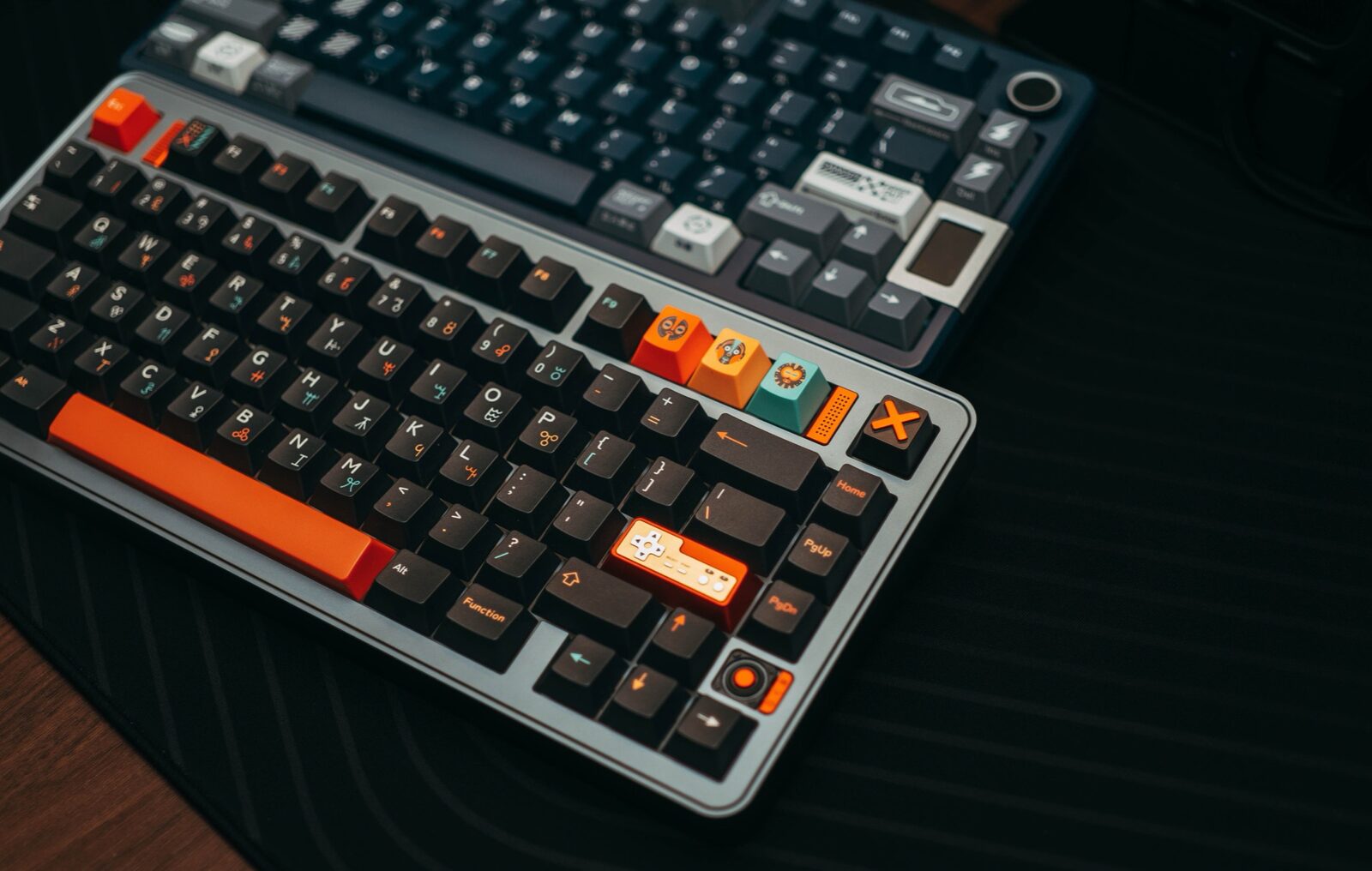
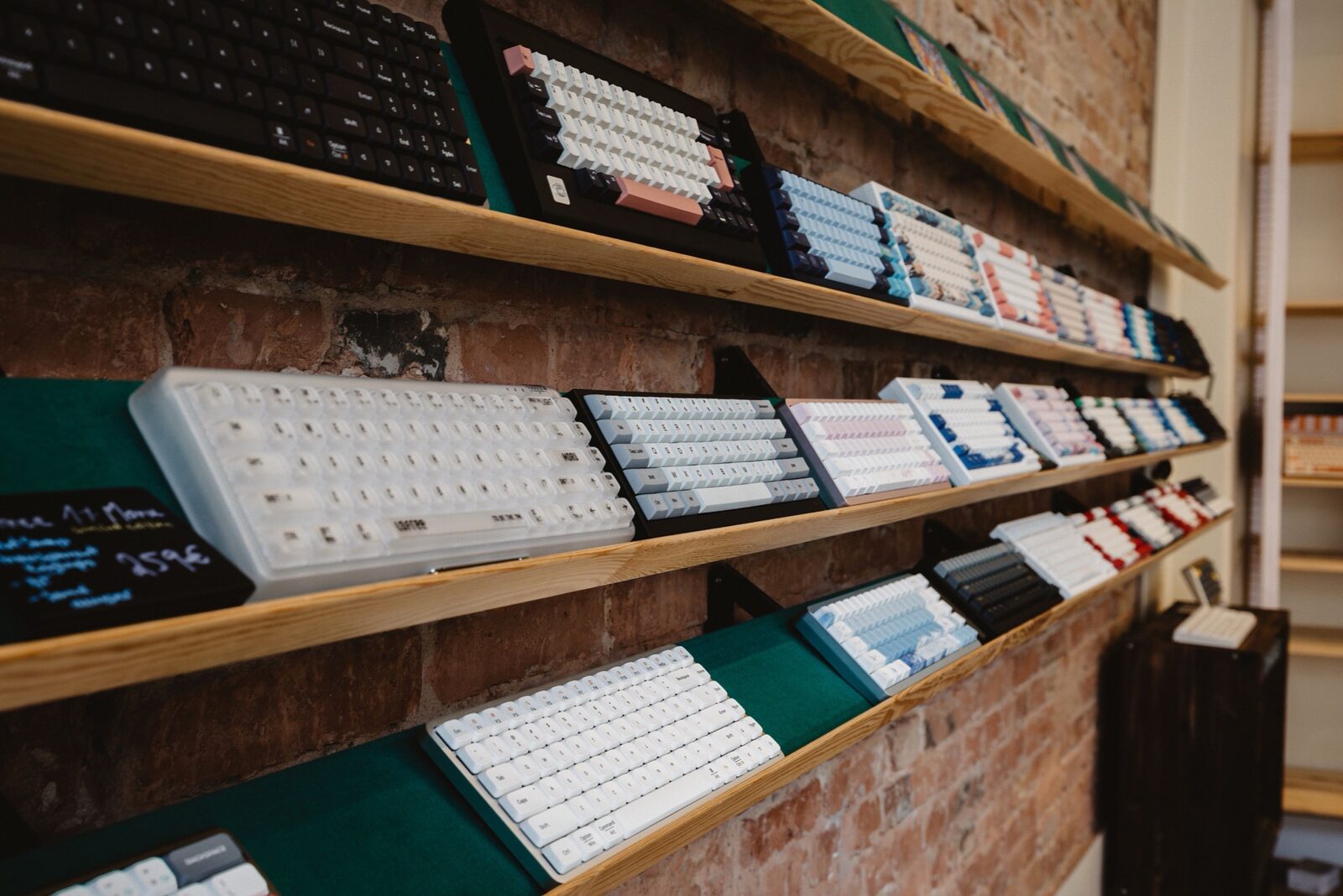
Living with one
The honest summary after a month: you stop noticing it, which is the point. The first week is about the sound. The second is about the angle of your wrists. After that it is simply the thing you type on, and going back to a laptop keyboard for a train journey feels like writing with a pencil that is slightly too short.
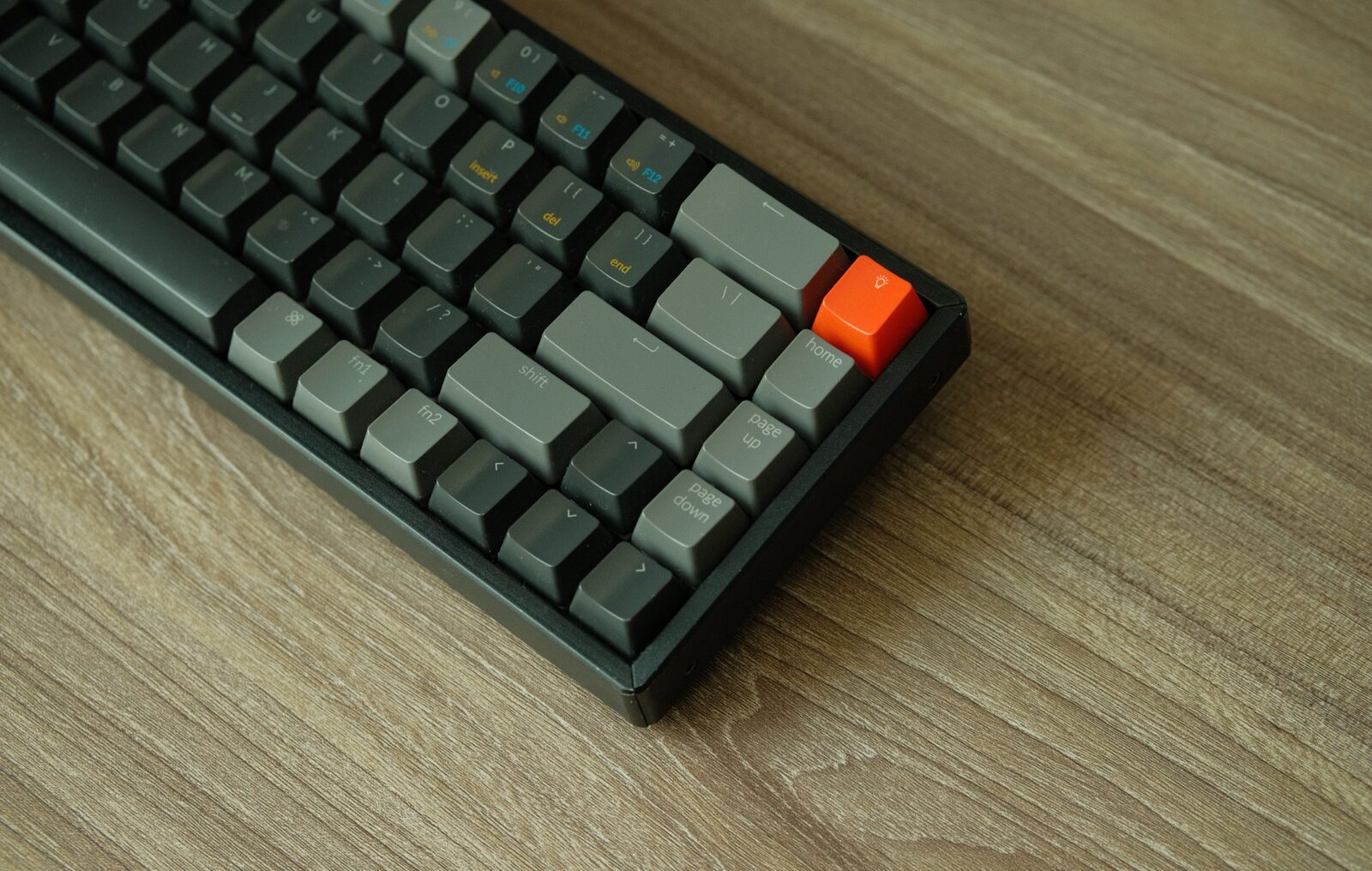
Build it once, keep it a decade
The parts that wear out are the parts you can replace.
Is a heavier board actually better?
Not by itself. Mass changes how a case handles vibration, so it usually sounds deeper and feels more planted. It also makes the board harder to move, which is a real cost if your desk doubles as a dining table.
Next in this series: what a keycap profile actually changes, and why nobody agrees about it.
Pulsar K80 Silent
The quietest board of the three, and the only one nobody in a shared office complained about. A heavy aluminium case, factory-lubed linears and a sound closer to a soft thud than a click.
It costs more than the other two put together, and after a month none of us wanted to go back.
Pros
- Quietest of the three by 8 dB
- Hot-swap sockets, no soldering
- Aluminium case, no resonance
Cons
- Heavy to carry anywhere
- The software is Windows only
-
Typing feel
-
Build quality
-
Sound
-
Software
-
Value
The noise column is the useful part of this. Nobody else measures it.
Been on a hot-swap board for two years and I have changed switches four times. Best money I have spent on a desk.