

The plan was one lens and no tripod. The plan survived until the second evening, which is longer than usual.
Day one: uphill, then uphill again
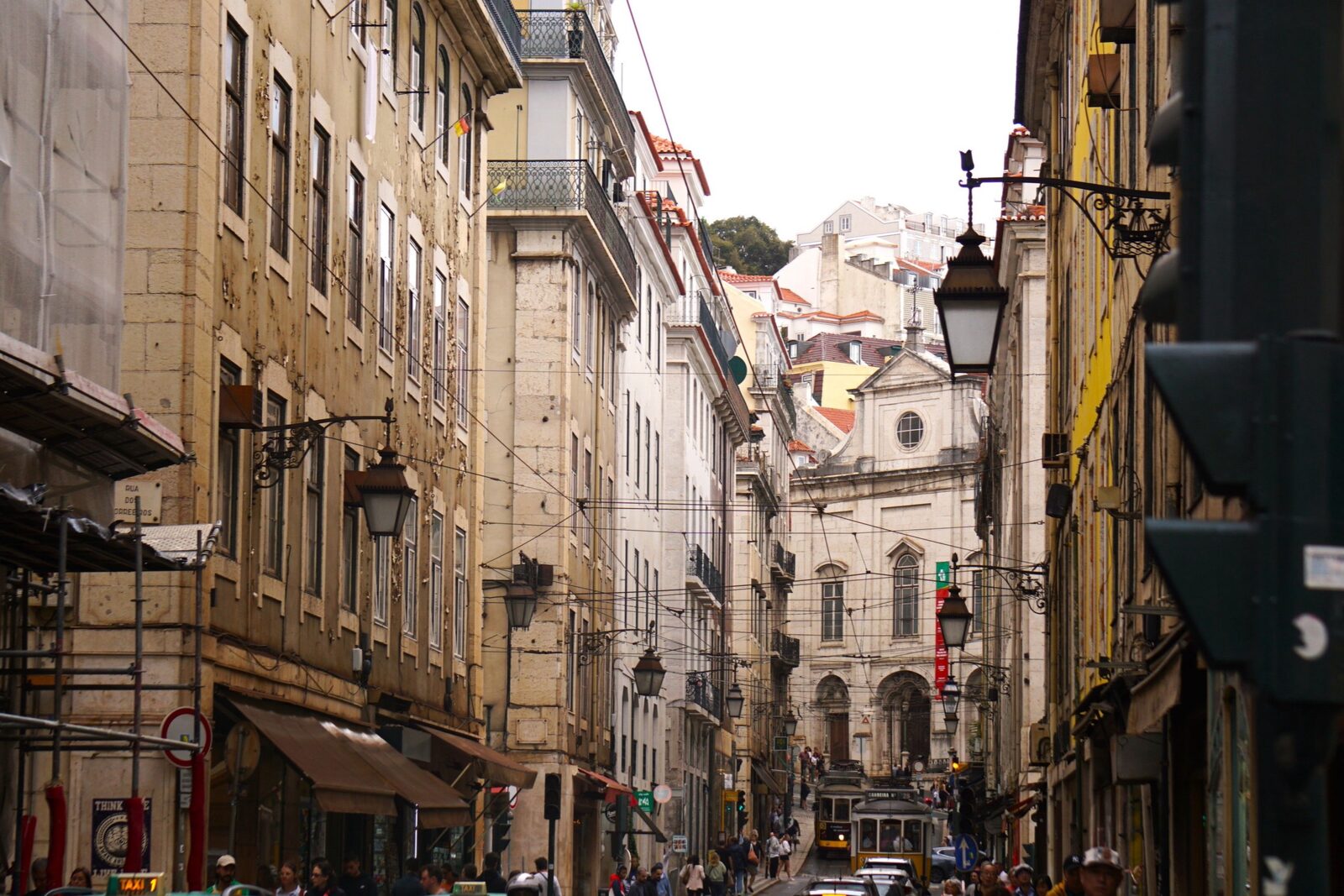
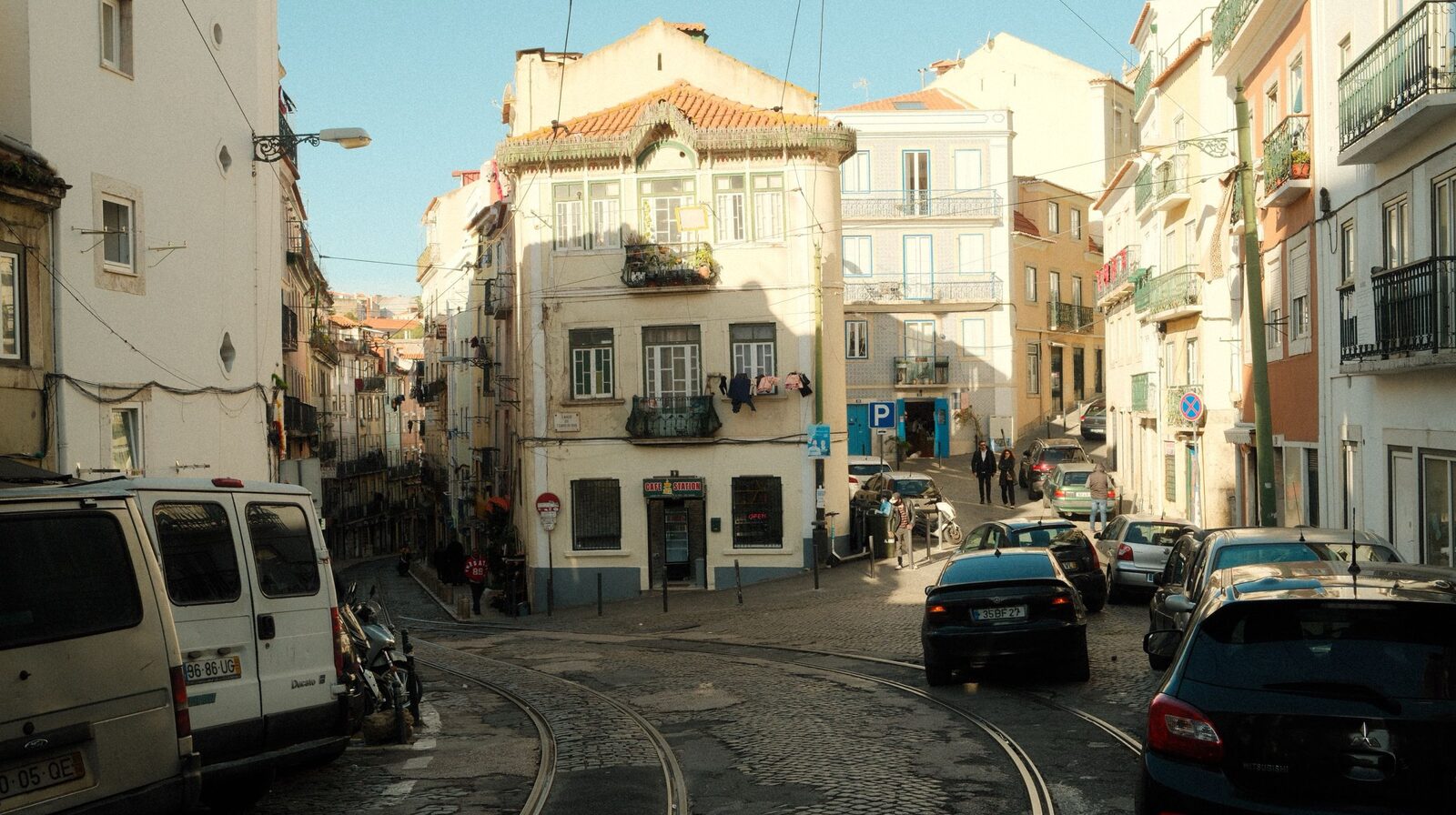
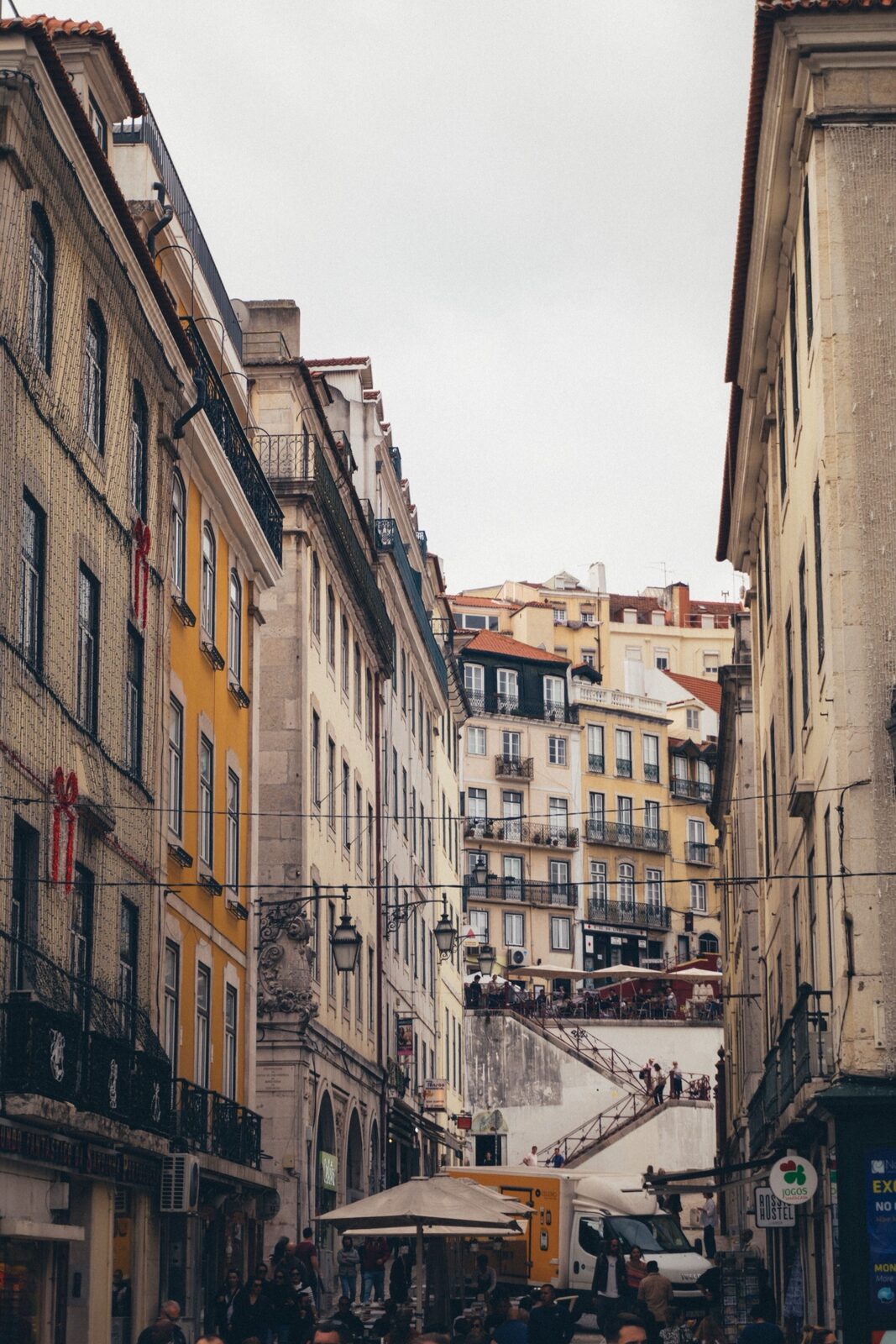
Nothing here is flat, and the map lies about how long anything takes. Budget an hour for a walk that looks like twenty minutes, and take the tram when your legs tell you to.
The best pictures of this city are all taken by someone slightly out of breath.
A local photographer, unprompted
- Morning. Start high and work down while the shadows are still long.
- Midday. Stop shooting. Eat. The light is flat and so are the pictures.
- Evening. Back up the hill. The last forty minutes are worth the whole day.
Day two: the water
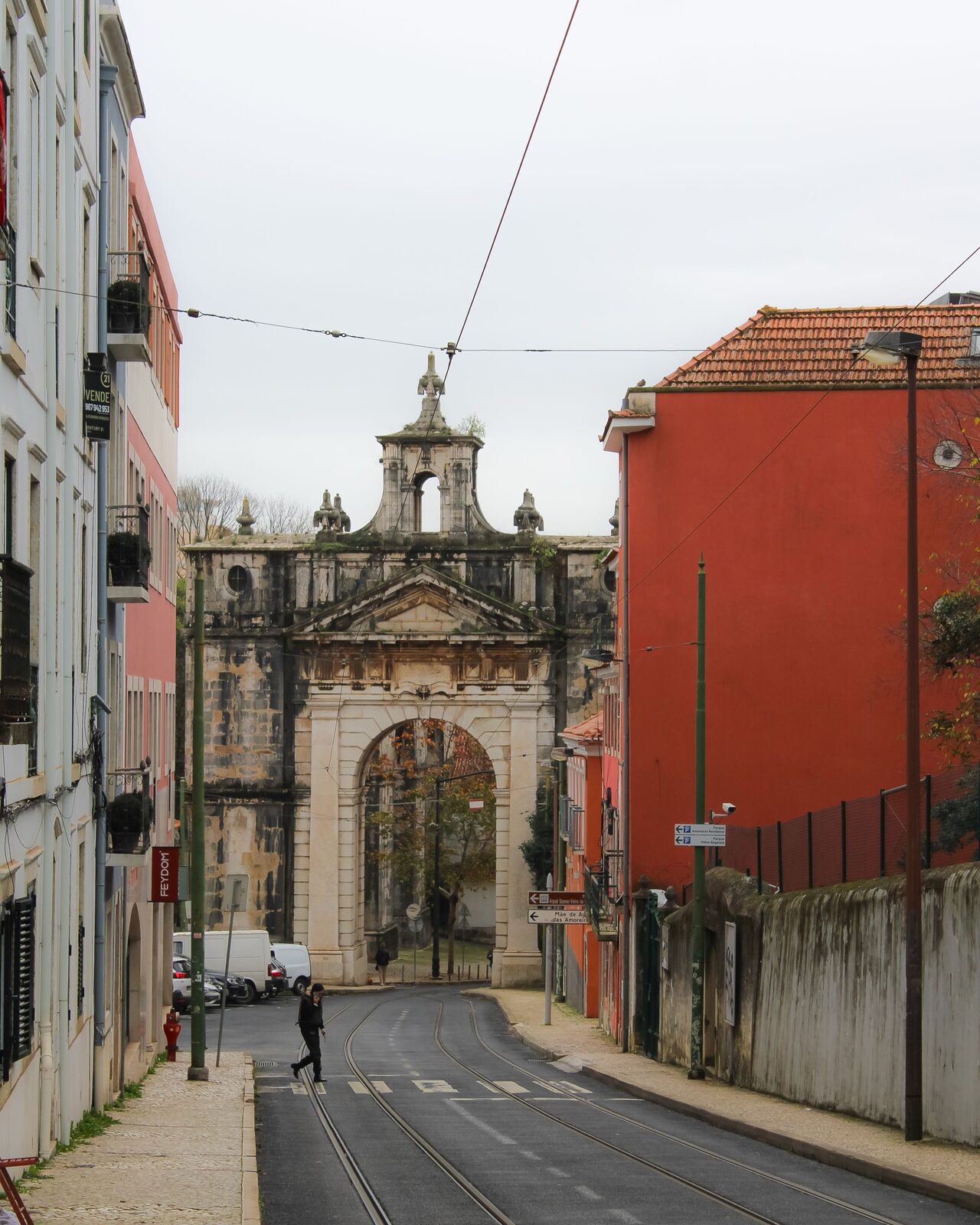
The river changes the light in a way that is hard to plan for. On a clear day it throws a second, softer source back up onto everything facing it, which is flattering for people and merciless on flat walls.
One lens, all weekend
A 35mm equivalent handles almost all of it. Wide enough for a street, tight enough for a face, and light enough that you actually carry it on the second day — which is the only specification that matters.
Two days is not enough. Two days is the point.
You will not see everything. You will see one neighbourhood properly, which is worth more than six seen from a bus window, and you will have a reason to come back in a season with different light.
What we would pack again
| Item | Verdict |
|---|---|
| One prime lens | Yes — the whole trip |
| Tripod | No — it stayed in the room |
| Spare battery | Yes — cold evenings drain it |
| Rain cover | Yes — twenty minutes, twice |
All photographs were taken on the two days described. Nothing was staged, and nothing was moved.
The advice about stopping at midday is the most honest thing in any city guide I have read.